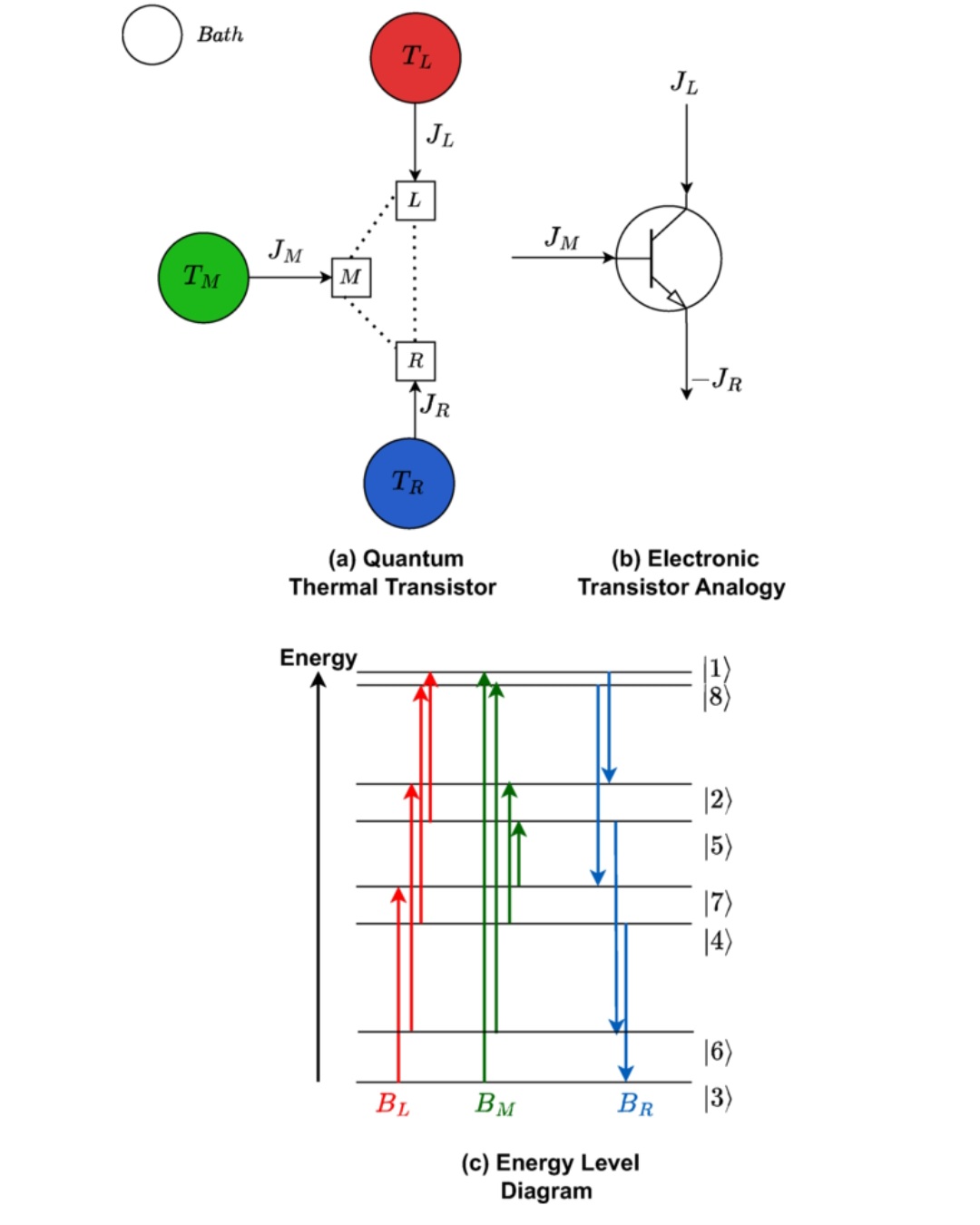
Quantum thermal transistor performance under fixed-temperature baths: A Langevin framework for spectral and noise modeling
Advanced thermal management is critical for modern electronics. Quantum Thermal Transistors (QTTs) propose a solution by using quantum states to control heat flow similarly to how electronic transistors control current. However, practical implementation has been hindered by environmental noise and scalability issues.
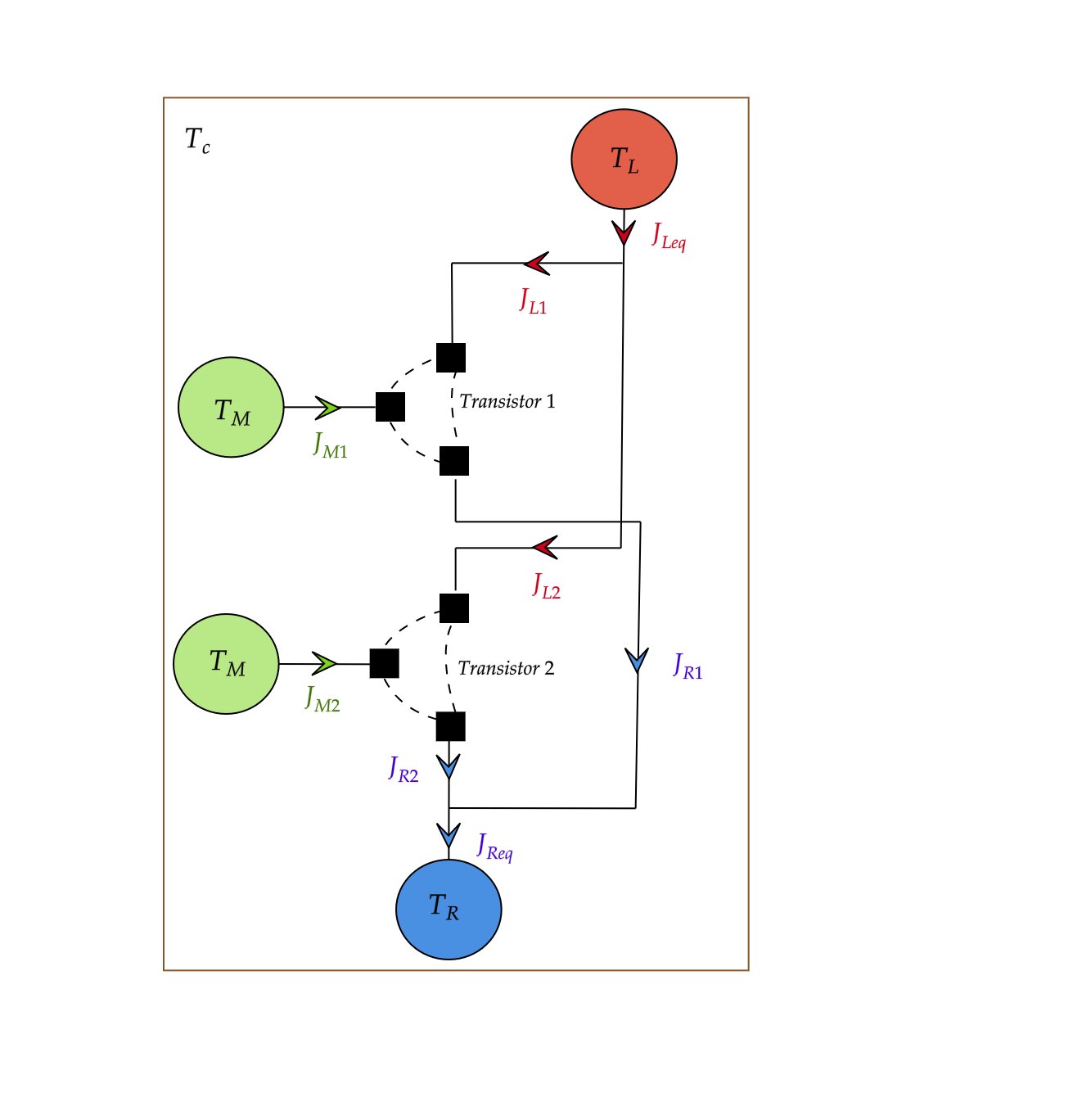
Engineered common environmental effects on multitransistor systems
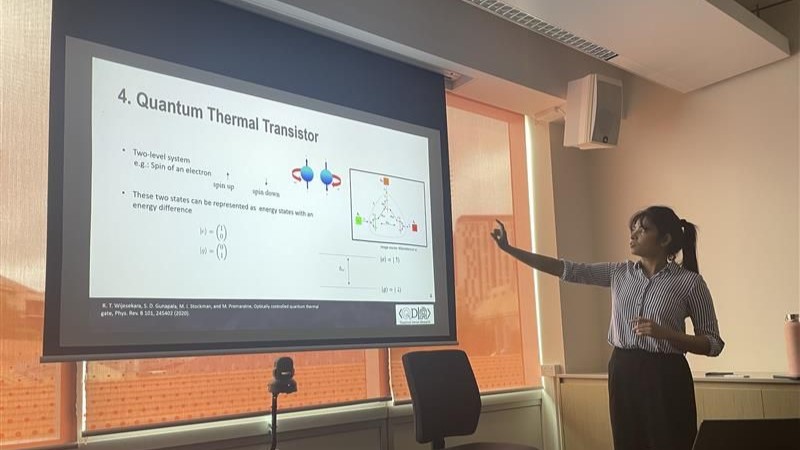
Scientists are finding ways to use quantum effects to create groundbreaking thermal devices that can help cool electronic systems. The quantum thermal transistor is one of the most exciting innovations in this field. While the current works surrounding this device are still theoretical, recent advancements in the fabrication of qubits using quantum dots and superconducting circuits have created a growing sense of optimism.
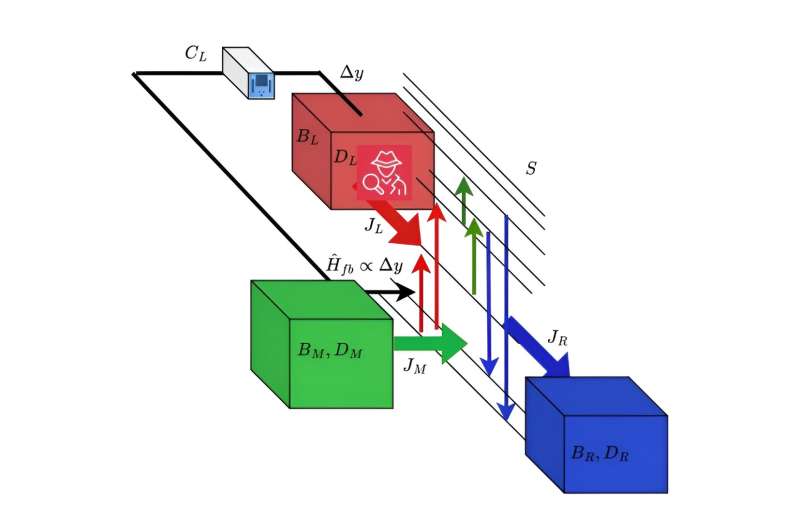
Quantum Thermal Transistors: Harnessing Quantum Measurement and Feedback
Researchers are advancing in the field of quantum thermal transistors, focusing on precision management of heat transfer to improve energy management and conservation. This involves overcoming challenges in cooling and environmental regulation, especially for quantum computers. The concept of conditioned quantum thermal transistors is being explored, which involves continuous monitoring and the application of a stochastic noise model similar to classical transistors and this approach helps understand the dynamics and optimize the design of quantum thermal machines.
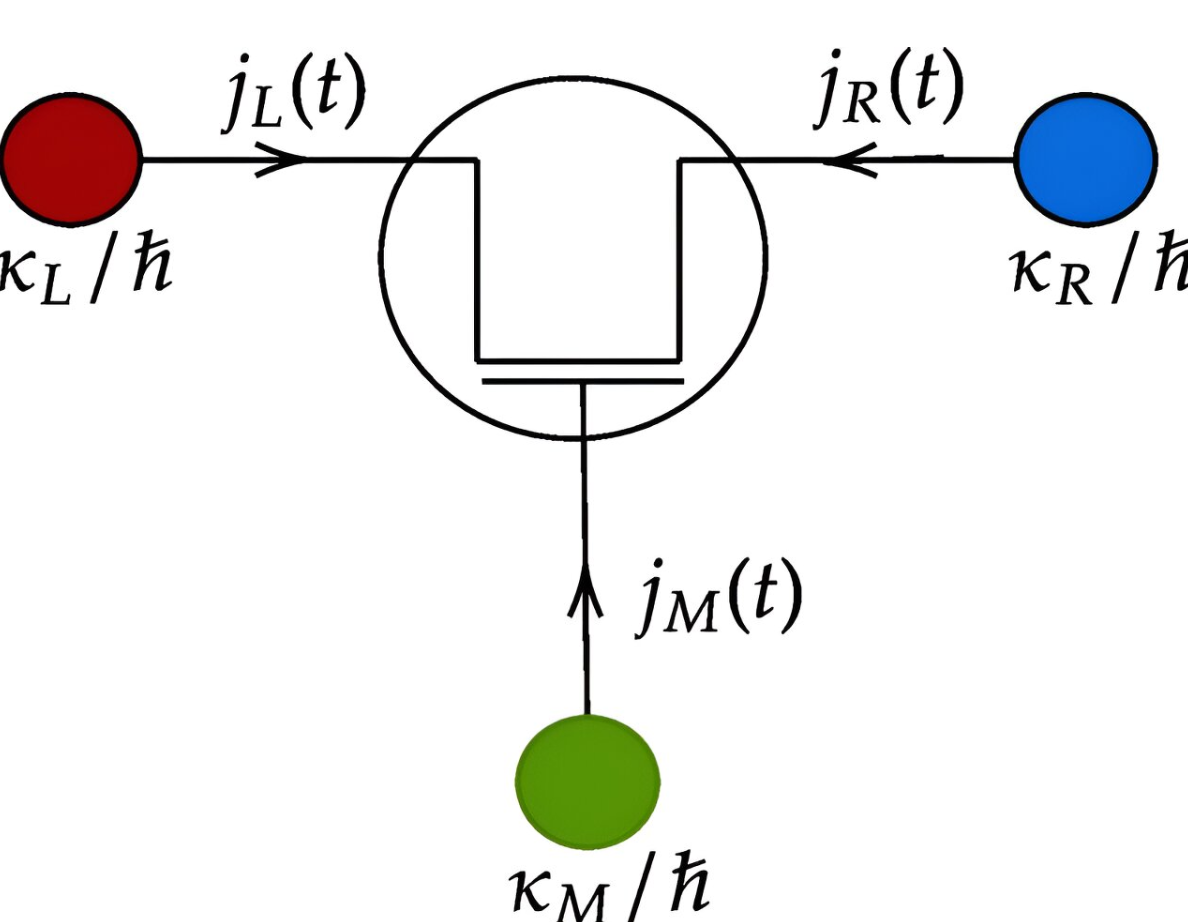
Unlocking heat management with quantum thermal transistors
Scientists are finding ways to use quantum effects to create groundbreaking thermal devices that can help cool electronic systems. The quantum thermal transistor is one of the most exciting innovations in this field. While the current works surrounding this device are still theoretical, recent advancements in the fabrication of qubits using quantum dots and superconducting circuits have created a growing sense of optimism.